

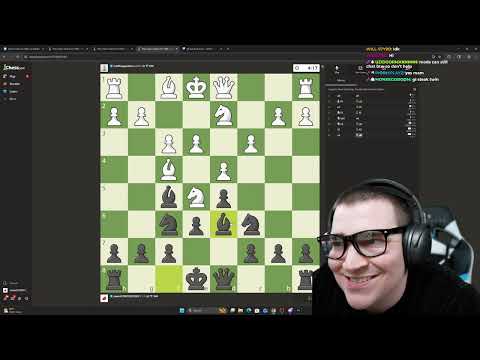
Daily Chess960 Training Course – Practical Guidance for U.S. Players
What Is a Daily Chess960 Training Course?
Chess960, also known as Fischer Random Chess, shuffles the back‑rank pieces to create 960 unique starting positions. A daily Chess960 training course is a structured learning pathway that delivers fresh puzzles, lessons, and practice games each day, helping players adapt to the unpredictable nature of the variant.
Unlike traditional opening‑heavy curricula, the daily format focuses on pattern recognition, tactical awareness, and strategic flexibility. By exposing you to a new position every 24 hours, the course builds a habit of rapid evaluation—a skill that translates to faster, more confident decision‑making over the board.
Who Benefits Most From Regular Chess960 Practice?
The audience for a daily Chess960 training course is surprisingly broad. Beginners who want to avoid rote opening memorization find the random setup refreshing, while seasoned tournament players use the daily drills to sharpen their calculation speed under unfamiliar conditions.
Coaches also adopt the format to keep students engaged between regular lessons. In the United States, many club players appreciate a daily routine that fits around work or school schedules, offering consistent improvement without a massive time commitment.
Core Features of an Effective Daily Chess960 Training Program
Structured Lessons
High‑quality courses break down each day’s position into bite‑size lessons. These typically include a short video explanation, a set of tactical motifs to spot, and a brief strategic overview that highlights key imbalances.
The lesson flow encourages active learning: you watch, try a few puzzles, then review a model game that demonstrates the same ideas in a real‑world context.
Live Play & Analysis
Most daily Chess960 platforms integrate a live playing arena where you can test the day’s concepts against other learners. After each game, an automatic analysis engine highlights missed opportunities and suggests alternative moves.
This feedback loop is essential for reinforcing the day’s lesson and for building confidence in handling novel positions.
Progress Tracking Dashboard
A clear dashboard lets you see daily streaks, rating changes, and recurring tactical themes. By visualizing trends, you can identify weak spots—like missing fork patterns or under‑developed piece coordination—and target them in future sessions.
The dashboard also supports goal setting, so you can aim for a specific number of puzzles solved per week or a rating milestone in the platform’s internal leaderboard.
How to Set Up and Integrate a Daily Chess960 Routine
Getting started is straightforward. First, choose a reputable provider that offers a free trial or a low‑cost introductory plan. Register with an email address, then link the service to your preferred chess board—whether that’s a web interface, a mobile app, or a desktop client.
Once logged in, allocate a consistent time slot each day, ideally after a brief warm‑up of classic tactics. Treat the session like a micro‑workout: 10 minutes of lesson video, 15 minutes of puzzles, and a final 10‑minute live game. This rhythm respects busy American schedules while delivering measurable progress.
Pricing Models and Value Considerations
Daily Chess960 training courses typically follow one of three pricing structures: a monthly subscription, a yearly commitment with a discount, or a pay‑as‑you‑go credit system. The right choice depends on how intensively you plan to use the platform and whether you prefer predictable billing.
When evaluating cost, compare the breadth of content, the quality of analysis tools, and the size of the active player community. For example, a $9.99/month plan that includes unlimited puzzles, live tournaments, and a robust analytics suite often delivers better long‑term value than a cheaper option with limited features. For those who want to explore the format before committing, many sites offer a Fischer Random chess puzzles for free trial that showcases the core experience.
Sample Weekly Schedule (Including a Table)
A sample schedule helps you visualize how a daily Chess960 training course can fit into a typical work‑week. Below is a balanced plan that mixes instruction, practice, and review.
| Day | Activity | Duration |
|---|---|---|
| Monday | Video lesson + 5 puzzles | 20 min |
| Tuesday | Live game + post‑game analysis | 30 min |
| Wednesday | Mid‑week strategy recap | 15 min |
| Thursday | Advanced tactics drill | 25 min |
| Friday | Open tournament night | 45 min |
| Saturday | Review week’s best games | 20 min |
| Sunday | Rest or optional puzzle sprint | 10 min |
The schedule is flexible—swap days or adjust durations based on personal commitments. The key is maintaining a daily touchpoint, even if some days are just a quick 5‑minute puzzle.
Common Pitfalls and How to Avoid Them
One frequent mistake is treating the daily course as a casual pastime rather than a focused training tool. Skipping the lesson video or rushing through puzzles reduces the learning impact and can lead to stagnant ratings.
Another trap is ignoring the analytics dashboard. Without reviewing your mistake patterns, you miss the chance to correct recurring errors. Set a weekly reminder to export your performance data and compare it against your goals.
Finally, avoid over‑loading yourself with multiple chess variants at once. If you’re also studying classical openings, allocate separate time blocks to keep each training focus clear and effective.
Frequently Asked Questions
- Do I need prior Chess960 experience? No. The daily course starts with fundamentals and gradually introduces more complex positions.
- Can I use the training on a mobile device? Most providers offer responsive web apps or dedicated iOS/Android apps, so you can practice on the go.
- Is there a community for feedback? Yes—most platforms host forums, Discord channels, or in‑app chat rooms where you can discuss puzzles and share game analysis.
- How long before I see improvement? Consistency is the biggest factor. Users who maintain a streak of at least 5 days per week typically notice rating gains within 4‑6 weeks.